Asian Paints' Home Transformation Campaigns
- Feb 18
- 14 min read
Executive Summary
Asian Paints Limited, India's largest paint manufacturer, has pursued a distinctive marketing and brand-building strategy that evolved from product-focused communication toward a comprehensive home transformation narrative. This evolution, documented across multiple decades, involved transitioning from selling paint as a commodity to positioning the company as a complete home décor and transformation partner. Central to this strategy has been the "Har Ghar Kuch Kehta Hai" (Every Home Says Something) campaign and related initiatives that embedded emotional storytelling about homes, family, and aspiration into the brand's core identity.
This case study examines the publicly documented elements of Asian Paints' home transformation marketing approach, its strategic evolution, brand architecture decisions, and verified outcomes based exclusively on official company communications, credible news reporting, advertising industry publications, and recognized industry analysis.

Company Background and Market Context
Asian Paints Limited was founded in 1942 by four entrepreneurs — Champaklal Choksey, Chimanlal Choksi, Suryakant Dani, and Arvind Vakil — in Mumbai, India. According to Asian Paints' official corporate history and annual reports filed with Indian stock exchanges, the company has grown from a small domestic paint manufacturer into India's largest paint company and one of Asia's leading paint manufacturers, operating in over 15 countries across Asia, Middle East, South Pacific, and Africa.
According to Asian Paints' annual reports and disclosures to BSE and NSE, the company manufactures decorative paints, industrial coatings, and related products, with decorative paints constituting the dominant portion of its business. The decorative paint segment serves residential and commercial customers through an extensive distribution network spanning urban and rural India.
The Indian paint market has been analyzed in multiple industry reports. According to analysis published by ICICI Securities, Kotak Institutional Equities, and other research firms cited in The Economic Times and Business Standard, the organized paint market in India has been characterized by high brand concentration with Asian Paints maintaining market leadership, followed by competitors including Berger Paints, Kansai Nerolac, and Akzo Nobel India.
Paint as a product category faces inherent marketing challenges. According to analysis published in Brand Equity (The Economic Times) and marketing industry publications, paint is traditionally considered a low-involvement, commodity-adjacent purchase where consumers engage primarily during infrequent renovation cycles, creating challenges for sustained brand building and consumer engagement.
Evolution of Brand Strategy: From Product to Experience
Asian Paints' marketing evolution has been documented across multiple decades in advertising industry publications and business press. According to analysis in Campaign India, Brand Equity, Afaqs, and other marketing publications, the company's advertising historically emphasized product attributes including coverage, durability, and color range before transitioning toward emotional and experiential positioning.
The shift toward home-centered emotional storytelling represented a deliberate strategic repositioning. According to analysis published in Brand Equity and Campaign India, and in business school case studies developed by Indian Institutes of Management, Asian Paints recognized that competing solely on product attributes was insufficient for sustained differentiation and premium positioning in a market where competitors offered functionally comparable products.
The company's decision to reframe paint within the broader context of home transformation reflected insights about consumer motivation. According to analysis in Campaign India and marketing publications, research indicated that consumers did not purchase paint for its functional properties alone but rather as part of broader aspirations about their homes, family environments, and social expression, providing strategic rationale for emotional brand positioning.
Asian Paints' advertising agency relationships facilitated this evolution. According to reports in Campaign India, Afaqs, and advertising industry publications, the company has worked with advertising agencies including Ogilvy India on significant campaigns, though the full history of agency relationships and transitions is not comprehensively documented in public sources beyond general industry coverage.
"Har Ghar Kuch Kehta Hai": The Flagship Campaign
"Har Ghar Kuch Kehta Hai" (Every Home Says Something) became Asian Paints' most enduring and documented campaign platform. According to coverage in Brand Equity, Campaign India, Afaqs, The Economic Times, and advertising industry archives, this campaign positioned homes as living expressions of the families within them, with paint and home décor serving as the medium through which families expressed identity, values, and aspirations.
The campaign's creative approach centered on emotional narratives about family relationships, memories, and life transitions experienced within homes. According to descriptions in advertising industry publications and media coverage, advertisements depicted significant life moments — children growing up, families welcoming guests, couples building shared spaces — with the home environment and its visual character forming the emotional backdrop.
The campaign created a distinctive narrative framework that elevated paint from a maintenance product to an emotionally significant investment. According to analysis published in Brand Equity and Campaign India, the "Har Ghar Kuch Kehta Hai" positioning successfully differentiated Asian Paints by associating the brand with something consumers cared deeply about — their homes and families — rather than purely functional product characteristics.
Television served as the primary medium for flagship campaign executions. According to analysis in MediaSharks, Campaign India, and advertising publications, Asian Paints invested in high-production-quality television commercials that aired during prime time and high-viewership events, reaching broad national audiences across India's diverse linguistic and regional contexts.
No verified public information is available on specific advertising expenditure figures, campaign production budgets, comprehensive media planning details, or systematic measurement of the campaign's effectiveness across different consumer segments and time periods beyond general observations in advertising industry coverage.
Celebrity Endorsement and Brand Ambassadors
Asian Paints' use of celebrity endorsement has been documented in advertising industry publications and news media. According to reports in Campaign India, Brand Equity, Hindustan Times, and other publications, Asian Paints has engaged prominent Bollywood actor Ranbir Kapoor as brand ambassador, representing a strategic choice to associate the brand with aspirational popular culture.
The selection of Ranbir Kapoor as brand ambassador was reported in multiple outlets. According to coverage in The Times of India, Hindustan Times, Campaign India, and other publications, Kapoor's association with the brand involved appearing in advertisements across multiple product lines and campaigns, lending the brand contemporary cultural relevance and aspirational appeal particularly among younger urban consumers.
Previous brand ambassador relationships were documented in historical advertising industry coverage. According to reports in Campaign India and Brand Equity, Asian Paints has historically engaged various cultural figures and celebrities across different campaign periods, though comprehensive documentation of all endorsement relationships and their strategic rationale is not available in a single verified public source.
The role of celebrity endorsement in paint advertising represented strategic thinking about category engagement. According to analysis in Brand Equity and Campaign India, paint purchases typically involve relatively low consumer involvement during non-renovation periods, making celebrity associations a mechanism for maintaining brand salience and emotional connection outside active purchase consideration.
No verified public information is available on specific terms of celebrity endorsement agreements, comprehensive evaluation of ambassador effectiveness, or detailed strategic rationale behind specific casting choices beyond general observations in advertising industry coverage.
Asian Paints Beautiful Homes: Service Expansion
A significant documented development in Asian Paints' home transformation strategy has been the expansion from paint manufacturing into comprehensive home services. According to company communications, annual reports, and extensive coverage in The Economic Times, Business Standard, Mint, and other business publications, Asian Paints developed a "Beautiful Homes" service offering that extends beyond paint into broader home renovation, interior design, and décor services.
The Beautiful Homes service has been described in company annual reports and press releases as a complete home transformation solution. According to Asian Paints' official communications and coverage in The Economic Times and Business Standard, the service offers interior design consultation, color consultation, waterproofing, texture and decorative finishes, and project management for home renovation, positioning the company as a single-point solution for home makeovers rather than merely a paint supplier.
The expansion into services reflected strategic recognition of the opportunity in India's home renovation market. According to analysis published in The Economic Times, Business Standard, and Mint, and in reports from research firms including CRISIL and ICICI Securities cited in business publications, India's growing middle class, increasing urbanization, and rising home ownership created substantial demand for home renovation and improvement services.
Asian Paints established physical experience centers called "Beautiful Homes" stores. According to company communications and reports in The Economic Times, Business Standard, and other outlets, these experience centers allow consumers to visualize color combinations, explore design options, and engage with the brand in an immersive environment beyond traditional paint retail. The centers are documented in company annual reports as a significant component of the brand strategy.
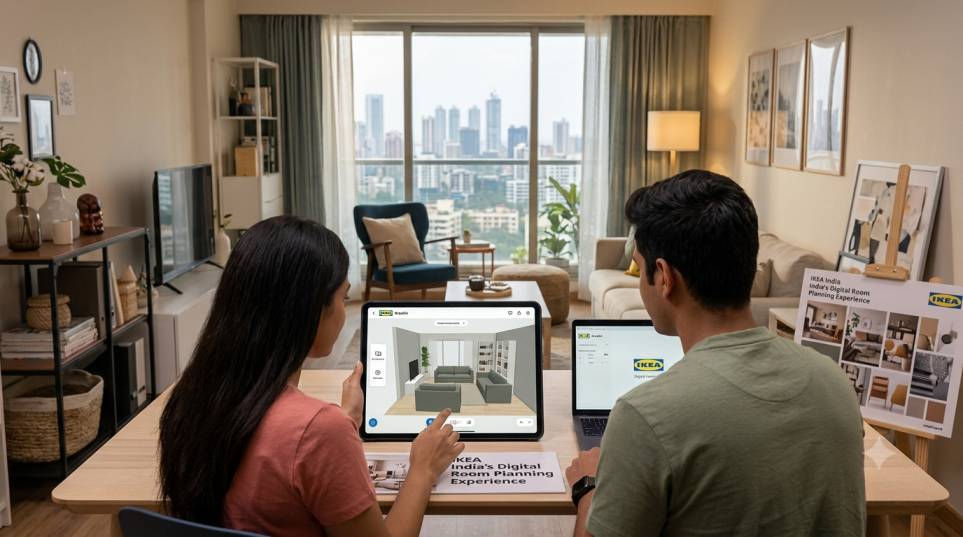
The company also developed digital tools for home visualization. According to reports in The Economic Times, tech publications, and Asian Paints' official communications, the company has offered digital color visualization tools allowing consumers to virtually simulate different paint colors and design combinations in their own homes, enhancing the planning process for renovation decisions.
No verified public information is available on the number of Beautiful Homes service transactions, customer satisfaction metrics for the service offering, comprehensive geographic distribution of experience centers, or detailed performance assessment of service offerings beyond general statements in company annual reports and press coverage.
Color and Design Advisory Services
Asian Paints has invested significantly in color expertise and design advisory capabilities as brand differentiators. According to company communications and coverage in Brand Equity, Campaign India, and architectural and design publications, Asian Paints established the Asian Paints Colour Academy and has invested in color forecasting, trend research, and design education.
The Colour with Asian Paints initiative has been documented in company communications. According to Asian Paints' official website information and reports in design and architecture publications, the company develops annual color trend forecasts and design inspiration content, positioning itself as an authority on color and interior design rather than purely a paint manufacturer.
Asian Paints publishes design and color inspiration content. According to information available through company communications and coverage in design and lifestyle publications, Asian Paints produces content including design guides, color trend reports, and home transformation inspiration across digital and physical platforms, contributing to the brand's positioning as a home transformation partner.
Collaboration with design professionals has been part of the approach. According to reports in architectural publications, The Economic Times, and Campaign India, Asian Paints has engaged with architects, interior designers, and design communities to build professional credibility and influence in the specification process for both residential and commercial projects, though the full extent of these programs is not comprehensively documented in public sources.
Digital Transformation and Customer Engagement
Asian Paints has developed digital platforms as part of its customer engagement strategy. According to company annual reports and press releases, and coverage in The Economic Times, Business Standard, and technology publications, Asian Paints has invested in digital touchpoints including website, mobile application, visualization tools, and e-commerce capabilities.
The company's digital visualization capabilities represent a documented investment. According to Asian Paints' official communications and technology press coverage, the company has developed augmented reality and digital room visualization features that allow consumers to experiment with color choices on images of their own spaces, reducing purchase uncertainty and enhancing the planning experience.
Digital content marketing has been employed as part of the brand strategy. According to analysis in Campaign India, Brand Equity, and marketing publications, Asian Paints produces home design and transformation content across digital platforms, maintaining brand engagement with consumers during the long intervals between active paint purchase decisions.
Asian Paints has developed an e-commerce presence. According to company communications and reports in The Economic Times and Business Standard, Asian Paints offers direct online purchasing options for paint products in select markets, adapting to changing consumer purchasing behaviors, though detailed information about e-commerce scale or performance has not been comprehensively disclosed in public sources.
Advertising Awards and Industry Recognition
Asian Paints' campaigns have received recognition from advertising and marketing industry organizations. According to reports in Campaign India, Afaqs, and award organization announcements, Asian Paints advertisements have won recognition at various industry awards including Goafest ABBYS, Campaign India Agency of the Year assessments, and other industry forums recognizing creative excellence and marketing effectiveness.
Brand recognition surveys have consistently placed Asian Paints among India's top brands. According to Brand Finance India 100 reports cited in The Economic Times and Business Standard, Asian Paints has regularly featured among India's most valuable and recognized brands. Interbrand and other brand valuation consultancies have similarly documented Asian Paints' brand strength in published rankings covered by Indian business press.
The "Har Ghar Kuch Kehta Hai" campaign has been cited in advertising industry case studies. According to references in Campaign India, Brand Equity, and industry retrospectives, the campaign is recognized as a significant example of emotional brand positioning in Indian advertising history, though comprehensive compilation of all awards and recognitions across the campaign's duration is not available in a single verified public source.
No verified public information is available on specific Effie Award outcomes for Asian Paints campaigns, detailed effectiveness documentation beyond general industry recognition, or systematic comparison of campaign performance against category benchmarks.
Geographic and Demographic Expansion
Asian Paints' marketing approach has addressed India's geographic and linguistic diversity. According to company communications and coverage in The Economic Times, Business Standard, and regional media outlets, Asian Paints produces advertising content in multiple Indian languages including Hindi, Tamil, Telugu, Kannada, Bengali, Marathi, and others, recognizing the importance of regional language communication for reaching consumers across India's diverse linguistic landscape.
Regional marketing campaigns have been developed for specific state markets. According to reports in regional advertising industry publications and coverage in Business Standard and The Economic Times, Asian Paints has adapted campaign messaging and creative executions for regional markets, acknowledging that home aesthetics, family narratives, and aspiration expressions vary across India's regional cultures.
Rural market penetration has been a documented component of Asian Paints' distribution strategy. According to the company's annual reports and analysis in Business Standard and The Economic Times, Asian Paints has historically invested in distribution infrastructure reaching smaller towns and rural markets, serving a broader consumer base than purely urban markets, though detailed information about marketing approaches specifically targeting rural consumers is not comprehensively available in public sources.
The company's international operations involve adapted marketing approaches. According to Asian Paints' annual reports documenting international subsidiaries and joint ventures in countries including Sri Lanka, Bangladesh, Nepal, Egypt, Ethiopia, and others, the company manages brands and marketing strategies in these markets, though specific details of international home transformation marketing campaigns are not comprehensively documented in publicly available sources.
Competitive Context and Industry Dynamics
Asian Paints' home transformation positioning occurs within an increasingly competitive landscape. According to industry analysis published by research firms including CRISIL, Emkay Global, and ICICI Securities, cited in The Economic Times, Business Standard, and Mint, competitors including Berger Paints, Kansai Nerolac, and Akzo Nobel India have also invested in brand building and service enhancement, creating competitive pressure on marketing differentiation.
Berger Paints has developed competing home service and consultation offerings. According to reports in The Economic Times and Business Standard covering Berger Paints' strategy, the company has pursued similar strategic directions toward home transformation services and design consultation, indicating industry-wide recognition of the opportunity in comprehensive home services.
New entrants and adjacent category players have entered the home transformation space. According to analysis in The Economic Times, Mint, and Business Standard, companies including startups focused on home renovation and interior design have expanded the competitive landscape beyond traditional paint manufacturers, though paint companies' integrated product and service capabilities create differentiation that pure service providers may lack.
The commoditization risk in decorative paint remains relevant context. According to analysis published in research reports from ICICI Securities and Emkay Global cited in business publications, paint products face ongoing commoditization pressure from product parity, making brand building and service differentiation strategically important for maintaining pricing power and consumer preference.
No verified public information is available on comparative advertising spending between Asian Paints and competitors, systematic brand equity measurement comparing Asian Paints to category competition, or comprehensive assessment of how Asian Paints' home transformation positioning performs against specific competitive alternatives.
Corporate Communications and Stakeholder Engagement
Asian Paints communicates its brand philosophy through multiple stakeholder channels. According to the company's annual reports, investor presentations, and communications to BSE and NSE, Asian Paints frames its brand investments as creating long-term competitive advantage through consumer trust, professional relationships, and service capability that support premium positioning and market leadership.
The company's annual reports discuss brand strategy in general terms. According to Asian Paints' annual reports filed with stock exchanges, the company articulates its strategy of moving beyond paint to become a comprehensive home décor and improvement company, documenting this strategic direction for investors and analysts.
Investor conference presentations have elaborated on home transformation strategy. According to transcripts and summaries of investor meetings reported in The Economic Times and Business Standard, Asian Paints executives have explained the Beautiful Homes service strategy and its relationship to brand differentiation and business model evolution to the investment community.
Analyst coverage has assessed the strategic rationale. According to equity research reports from brokerages including Kotak Institutional Equities, Emkay Global, and ICICI Securities cited in business publications, analysts have evaluated Asian Paints' service expansion strategy as part of broader competitive moat assessment, generally viewing the diversification positively while noting execution complexity.
Sustainability and Social Responsibility Communication
Asian Paints has integrated sustainability themes into its brand communications. According to the company's annual reports, sustainability reports, and press releases, Asian Paints communicates commitments regarding environmental responsibility, sustainable manufacturing, water conservation, and community development, presenting these as aligned with the brand's values around homes and communities.
The Homes for Hope initiative and other social programs have been documented. According to Asian Paints' official communications and coverage in The Hindu, The Economic Times, and CSR publications, the company has undertaken initiatives to paint and improve homes of underprivileged communities, creating visible alignment between the brand's commercial home transformation narrative and social responsibility positioning.
Environmental product communication has become increasingly prominent. According to company communications and coverage in trade and general media, Asian Paints has promoted low-VOC (volatile organic compounds) and other environmentally improved product formulations as part of brand communication, addressing growing consumer awareness of health and environmental aspects of home products.
No verified public information is available on systematic assessment of how sustainability communications affect brand perception, comprehensive measurement of social initiative impact, or detailed analysis of how environmental product positioning influences purchase decisions beyond general statements in company communications.
Conclusion
Asian Paints' home transformation campaigns represent a documented case of sustained brand evolution from commodity product communication toward comprehensive lifestyle and emotional positioning. Based on publicly available information, the company has successfully built a brand narrative anchored in the emotional significance of homes and families, supported this narrative through service expansion into home consultation and transformation, and maintained market leadership through sustained brand investment across multiple decades.
The publicly documented elements of the strategy — emotional advertising anchored in "Har Ghar Kuch Kehta Hai," celebrity endorsement, Beautiful Homes service development, color expertise positioning, digital visualization tools, and regional adaptation — collectively demonstrate a coherent strategic approach to transcending commodity category positioning through brand building and experience creation.
However, significant gaps exist in publicly disclosed information regarding systematic campaign effectiveness measurement, detailed performance metrics for service offerings, comprehensive competitive positioning assessment, and longitudinal analysis of brand equity impacts. The case illustrates both the strategic potential of emotional home transformation positioning in India's growing middle-class market and the challenges of evaluating such strategies comprehensively when companies selectively disclose performance information.
MBA-Level Discussion Questions
Question 1: Category Redefinition as Competitive Strategy: Analyze Asian Paints' strategic decision to reframe its category from "paint manufacturer" to "home transformation partner." What are the theoretical foundations and practical requirements for successful category redefinition? Under what market conditions does category expansion represent genuine strategic opportunity versus overextension risk? How should companies assess whether their capabilities, brand equity, and consumer relationships support the broader category positioning they seek to establish?
Question 2: Product-to-Service Business Model Evolution: Evaluate Asian Paints' expansion from paint products into home consultation, design advisory, and renovation project management services. What organizational capabilities must a manufacturing company develop to successfully compete in service delivery? How should companies assess the trade-offs between deepening core product excellence versus expanding into adjacent services? What risks emerge when premium brand positioning built on product quality is extended to services where quality consistency is harder to maintain across distributed operations?
Question 3: Emotional Branding in Low-Involvement Categories: Discuss the strategic logic of investing in emotional brand positioning for a product category — decorative paint — characterized by low purchase frequency and relatively low consumer involvement during inter-purchase periods. How should marketers evaluate appropriate emotional positioning in categories where consumer engagement is episodic rather than continuous? What mechanisms sustain emotional brand equity between purchase cycles, and how should companies measure the effectiveness of emotional campaigns when purchase triggers may occur years after advertising exposure?
Question 4: Digital Visualization Tools and Purchase Facilitation: Asian Paints has invested in digital visualization technology allowing consumers to simulate paint choices in their own homes. Analyze the strategic value of reducing purchase uncertainty through digital tools in the context of home renovation decisions. How should companies evaluate investment in decision-support tools versus traditional brand advertising? What are the implications for competitive advantage when visualization technology becomes available across multiple category players? How might such tools change the consumer decision process and the role of traditional retail and professional channels?
Question 5: Celebrity Endorsement Strategy in Home Products: Evaluate Asian Paints' use of celebrity brand ambassadors in the context of a home products category where purchase decisions are typically driven by practical considerations, professional recommendations, and personal aesthetic preferences. Under what conditions do celebrity endorsements create meaningful brand value versus representing expensive but superficial associations? How should companies in functional product categories assess the trade-offs between celebrity endorsement and alternative investments such as professional endorsement, user-generated content, or product innovation communication?

Comments