boAt: Digital-First Youth Brand Strategy in Consumer Electronics
Executive Summary
boAt (stylized as boAt with lowercase 'b'), founded in 2016 by Aman Gupta and Sameer Mehta, emerged as one of India's fastest-growing consumer electronics brands by targeting young consumers through digital-first distribution and marketing strategies. The brand, which specializes in affordable audio and wearable products including earphones, headphones, smartwatches, and speakers, disrupted the traditional consumer electronics market dominated by established international players. According to multiple industry reports cited in business publications, boAt achieved the position of India's leading audio wearables brand within just a few years of launch, demonstrating how digital-native brands can rapidly scale in emerging markets. This case examines boAt's strategic approach to brand building, distribution, marketing, and positioning in a highly competitive category, focusing on how the company leveraged e-commerce platforms, influencer marketing, celebrity partnerships, and youth-centric communication to establish market leadership without the legacy infrastructure or brand heritage of incumbent competitors.

Founders and Company Origins
boAt was founded in November 2016 by Aman Gupta and Sameer Mehta. According to profiles published in The Economic Times, Forbes India, and YourStory, Aman Gupta previously worked in sales and marketing roles at companies including Harman International and KPMG, gaining experience in the consumer electronics and professional services sectors. Sameer Mehta had a background in the design and product space. The complementary skill sets—Gupta's expertise in go-to-market strategy and Mehta's understanding of product development—provided the foundation for the company's formation.
According to interviews published in Inc42, Economic Times, and other business publications, the founders identified an opportunity in India's audio accessories market. International brands like Sony, JBL, Sennheiser, and Beats dominated the premium segment, while unbranded products filled the ultra-low-price segment. The founders perceived a gap in the mid-price segment for stylish, reasonably good-quality audio products that appealed to young, aspirational consumers who wanted branded products but found international brands expensive.
The company initially focused on charging cables and mobile accessories before pivoting to audio products, which became its core category. According to company statements referenced in media reports, the name "boAt" was chosen to evoke a sense of lifestyle and aspiration, positioning the brand as a companion for young consumers' daily lives rather than as a purely functional electronics brand.
Market Context and Competitive Landscape
The Indian consumer electronics market, particularly the audio wearables segment, experienced significant growth from the mid-2010s onward, driven by smartphone penetration, increasing disposable incomes among youth, content consumption growth (music streaming, video), and the popularization of fitness and lifestyle wearables. According to data from the International Data Corporation (IDC) cited in reports by The Economic Times, Business Standard, and Mint, the Indian wearables market grew substantially year-over-year during the late 2010s and early 2020s.
The audio wearables category encompassed several product types: wired earphones, wireless earphones, neckbands, truly wireless stereo (TWS) earbuds, over-ear headphones, and portable speakers. Each sub-category had different price points, use cases, and consumer preferences. According to IDC reports referenced in business media, Chinese brands like Xiaomi, Realme, and OnePlus entered the Indian market aggressively during this period, offering competitively priced products. International brands maintained presence but at higher price points, creating space for domestic brands like boAt to position themselves in the mid-market.
The competitive landscape also included other Indian brands such as Noise, Fire-Boltt, and pTron, each targeting similar consumer segments with comparable strategies. The category became increasingly crowded, with new entrants regularly launching products and competition intensifying around key shopping festivals and e-commerce sale events.
Product Strategy and Positioning
boAt's product strategy centered on offering affordable audio and wearable products with contemporary designs that resonated with young consumers. According to reports in Business Standard, Mint, and Inc42, the company positioned its products in the ₹1,000-₹5,000 price range for most offerings, making them accessible to students, young professionals, and middle-class consumers who aspired to branded products but had limited budgets.
The product portfolio expanded rapidly from the initial focus on earphones. According to information published on the company's website and reported in media coverage, boAt's catalog grew to include wired earphones, wireless neckband earphones, TWS earbuds, over-ear headphones, portable speakers, smartwatches, charging accessories, and other lifestyle tech products. This portfolio expansion enabled the brand to increase customer touchpoints and serve multiple needs within its target demographic.
Design played a significant role in boAt's differentiation strategy. According to descriptions in media reports and product reviews published in technology publications, boAt products featured bold colors, sporty aesthetics, and contemporary styling that aligned with youth preferences. The design language emphasized energy, movement, and lifestyle rather than technical sophistication or minimalism, distinguishing boAt from both premium international brands and generic alternatives.
Product naming also reflected the brand's positioning. According to product information available publicly, boAt used names like "Rockerz," "Airdopes," "Stone," and "Immortal" for different product lines, creating a vocabulary that suggested excitement, freedom, and attitude—attributes that resonated with the brand's target audience.
No verified public information is available on detailed product development processes, manufacturing partnerships, quality control systems, or supply chain structures beyond general statements in media reports that the company worked with manufacturing partners in China and India.
Distribution Strategy: E-Commerce Focus
A defining characteristic of boAt's strategy was its digital-first distribution approach. According to statements by company executives quoted in The Economic Times, Business Standard, and Forbes India, e-commerce platforms formed the primary distribution channel, particularly Amazon India and Flipkart. This digital-first approach contrasted with traditional consumer electronics brands that relied heavily on multi-brand retail outlets, exclusive brand stores, and distributor networks.
The e-commerce-focused strategy offered several advantages. According to business analyses published in Inc42 and Mint, online platforms provided access to consumers across India without requiring investment in physical retail infrastructure, reduced distribution costs, enabled rapid product launches and testing, and generated valuable consumer data. E-commerce platforms also aligned with the shopping behaviors of boAt's target demographic—young, digitally connected consumers comfortable with online purchasing.
boAt leveraged major shopping events on e-commerce platforms, including Amazon's Great Indian Festival, Flipkart's Big Billion Days, and other sale periods. According to reports in The Economic Times and Business Standard covering these events, boAt frequently ranked among the top-selling brands in the audio and wearables categories during such festivals, benefiting from aggressive pricing, prominent platform placement, and targeted marketing campaigns.
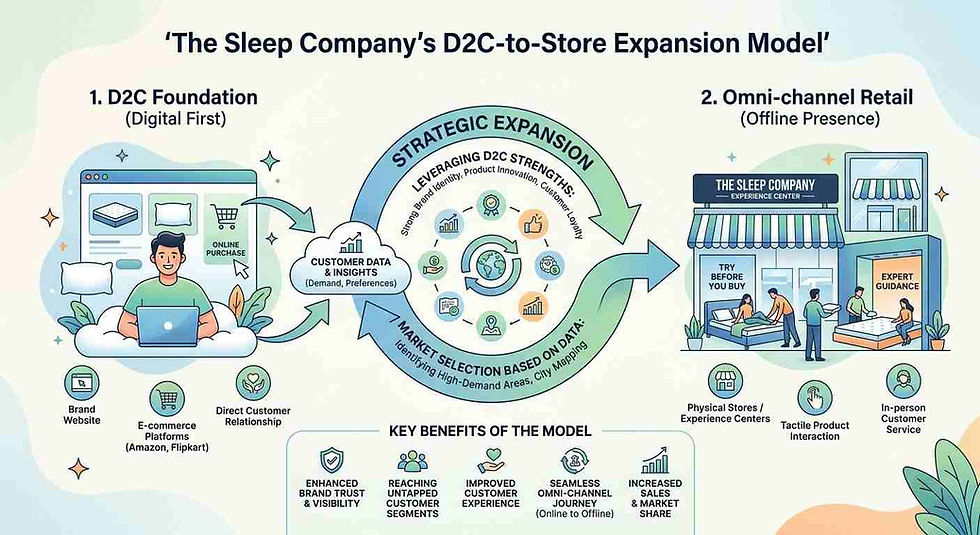
While e-commerce remained primary, boAt also expanded into offline retail. According to reports in Business Standard and Retail Asia from 2020-2022, the company established presence in multi-brand electronics retailers like Croma and Reliance Digital, as well as mobile phone retail chains. According to statements by company executives reported in media, offline expansion aimed to increase brand visibility, enable product trial (particularly important for audio products where sound quality and fit matter), and reach consumers who preferred physical retail despite digital availability.
Marketing Strategy: Influencer and Celebrity Partnerships
boAt's marketing strategy heavily emphasized influencer collaborations and celebrity brand ambassadors, aligning with the preferences and media consumption patterns of its young target audience. According to extensive coverage in business and marketing publications, the company partnered with numerous cricketers, Bollywood actors, musicians, and social media influencers to build brand awareness and credibility.
The company signed several prominent Indian cricketers as brand ambassadors. According to reports in The Economic Times, Mint, and Cricbuzz, these partnerships included players like Hardik Pandya, KL Rahul, Jasprit Bumrah, Rishabh Pant, and Shreyas Iyer at various points. Cricket's massive popularity in India, particularly among youth, made cricketers powerful brand endorsers. The partnerships involved social media promotion, advertising campaigns, and product collaborations.
Bollywood and entertainment industry partnerships formed another pillar of boAt's celebrity strategy. According to media reports in The Hindu Business Line, Mint, and entertainment publications, boAt partnered with actors including Kartik Aaryan, Kiara Advani, and others for brand endorsements and campaigns. These partnerships leveraged the celebrities' social media reach and appeal to young audiences.
Musicians and music culture played a central role in boAt's positioning, given that audio products are intrinsically linked to music consumption. According to reports in The Economic Times and music industry publications, boAt partnered with Indian musicians and international artists, positioning itself within music culture rather than merely as a technology brand. The company sponsored music festivals and events, further embedding itself in youth entertainment culture.
Beyond celebrities, boAt worked extensively with digital influencers and content creators. According to analyses in marketing publications and reports in Inc42 and YourStory, the company collaborated with YouTube creators, Instagram influencers, and other digital personalities for product reviews, unboxing videos, and sponsored content. This influencer marketing approach aligned with how young consumers discovered and researched products, relying on peer recommendations and trusted content creators rather than traditional advertising.
No verified public information is available on specific influencer marketing budgets, compensation structures, or performance metrics for these partnerships, though the extensive and visible nature of these collaborations suggests significant investment in this marketing channel.
Social Media and Digital Marketing
boAt built a substantial social media presence across platforms including Instagram, Facebook, YouTube, and Twitter (now X). According to the company's publicly visible social media profiles, the brand accumulated millions of followers across these platforms, though independently verified follower counts are not consistently documented in credible business sources.
The brand's social media content strategy, based on observable content and analyses in marketing publications, emphasized lifestyle imagery, user-generated content, celebrity partnerships, product launches, festival promotions, and engagement with youth culture. The communication tone was informal, energetic, and conversational, using contemporary slang and cultural references that resonated with young audiences.
boAt also engaged in real-time marketing and cultural moments. According to observations in marketing case studies and advertising industry publications, the brand participated in trending conversations, sports events (particularly cricket matches), and cultural moments, demonstrating digital agility and cultural relevance.
The company used digital advertising extensively across social media platforms, search engines, and e-commerce platforms. While specific advertising expenditures are not publicly disclosed, the visible prominence of boAt's digital advertising presence during key shopping periods suggests significant investment in paid digital marketing.
Brand Positioning: "Lifestyle Tech" for Youth
boAt positioned itself not merely as an electronics brand but as a lifestyle brand for young India. According to brand messaging visible in advertising campaigns and articulated in interviews with company executives published in business media, the brand sought to represent energy, attitude, freedom, and aspiration—attributes that resonated with young consumers' self-perception and aspirations.
This positioning distinguished boAt from competitors on several dimensions. Premium international brands emphasized technical excellence, heritage, and audio quality, positioning themselves as luxury or professional-grade products. Chinese competitors focused on value and specifications, emphasizing features-per-rupee. boAt carved a distinct space by emphasizing lifestyle, culture, and emotional connection over technical specifications or price competition alone.
The brand's visual identity reinforced this positioning. According to observable brand elements and descriptions in design and marketing publications, boAt's branding used bold typography, vibrant colors, energetic imagery, and contemporary design language that felt more aligned with streetwear and youth fashion than traditional consumer electronics branding.
The tagline "Plug into Nirvana," used in some boAt communications, exemplified the positioning approach—suggesting transcendent, liberating experience rather than functional utility. This elevated product experience to lifestyle enhancement, making purchasing decisions about identity and aspiration rather than mere product features.
Pricing Strategy and Value Perception
boAt's pricing strategy balanced affordability with perceived quality and brand value. According to product pricing visible on e-commerce platforms and discussed in consumer electronics reviews published in technology media, most boAt products were priced significantly below premium international brands but above generic, unbranded alternatives and some ultra-budget competitors.
For example, boAt's TWS earbuds typically retailed in the ₹1,500-₹4,000 range, while premium brands like Apple AirPods or Sony's premium TWS models retailed above ₹10,000. This price positioning made boAt accessible to a broad segment of young consumers while maintaining sufficient margin for brand building and quality standards that differentiated the brand from the cheapest alternatives.
The company frequently utilized promotional pricing during e-commerce sale events. According to reports covering Amazon and Flipkart sales published in The Economic Times and Business Standard, boAt offered significant discounts during peak shopping periods, using price promotions to drive volume, acquire new customers, and maintain competitive pressure on rivals.
No verified public information is available on specific margin structures, manufacturing costs, or detailed pricing strategies beyond what is observable through retail pricing and promotional activities.
Product Portfolio Expansion: Smartwatches and Wearables
boAt expanded beyond audio products into the smartwatch and fitness tracker category, a strategic move into an adjacent, fast-growing market. According to reports in The Economic Times, Business Standard, and IDC market research cited in business publications, the Indian smartwatch market experienced exponential growth from 2020 onward, driven by fitness consciousness, smartphone integration, and affordable product availability.
boAt launched multiple smartwatch models across different price points. According to product information and market reports, these devices offered features including fitness tracking, heart rate monitoring, sleep tracking, smartphone notifications, and various lifestyle functions at price points substantially below international brands like Apple Watch or Samsung Galaxy Watch.
According to IDC data cited in The Economic Times and Mint in 2021-2023, boAt emerged as one of the leading smartwatch brands in India by shipment volume, competing closely with domestic brands like Fire-Boltt and Noise. This success in smartwatches replicated the brand's audio wearables strategy: affordable pricing, contemporary designs, digital distribution, and youth-focused marketing.
The smartwatch expansion demonstrated boAt's strategy of owning the "youth wearables" category broadly rather than remaining confined to audio products. This portfolio diversification potentially increased customer lifetime value, reduced dependence on any single product category, and positioned the brand as a comprehensive lifestyle tech provider for young consumers.
Market Leadership Claims and Recognition
boAt claimed market leadership in various product categories according to different market research reports. According to IDC India data cited in multiple business publications including The Economic Times, Mint, and Business Standard from 2019-2022, boAt held the leading position in India's wearables market by shipment volume during several quarters, though rankings fluctuated based on specific categories, time periods, and whether the data covered only audio wearables or included smartwatches.
In July 2021, The Economic Times reported that according to IDC data, boAt held over 27 percent market share in the wearables segment in India during the first quarter of 2021. In October 2022, Business Standard cited IDC data showing boAt as the leading wearables brand in India during the third quarter of 2022. These market leadership positions were significant achievements for a brand launched just five years prior, demonstrating rapid market penetration.
The company also received industry recognition and awards. According to reports in business publications, boAt was recognized in various "fastest-growing" and "most valuable" startup lists, though specific award details and criteria are scattered across different media sources.
Funding and Investor Support
boAt attracted significant investor interest and raised multiple funding rounds, though comprehensive details of all funding activity are not uniformly available in public sources. According to reports in The Economic Times, Mint, Inc42, and VCCircle, the company raised funds from investors including Fireside Ventures, Qualcomm Ventures, and others across different rounds.
In February 2020, VCCircle reported that boAt raised ₹50 crore (approximately $7 million) in a funding round led by Fireside Ventures. In January 2021, according to reports in The Economic Times and Inc42, boAt raised approximately $100 million from Warburg Pincus, valuing the company at around $300 million. These funding events provided capital for expansion, marketing, product development, and operational scaling.
The investor interest reflected confidence in boAt's business model, growth trajectory, and market opportunity. Consumer electronics and D2C brands were attracting significant venture capital attention during this period, as digital commerce enabled asset-light scaling and direct customer relationships.
IPO Plans and Market Maturation
boAt filed for an Initial Public Offering (IPO) in India. According to reports in The Economic Times, Mint, and Bloomberg Quint from 2022, the company filed draft papers with India's Securities and Exchange Board (SEBI) for a proposed IPO. However, according to subsequent reports in The Economic Times and Reuters from 2023, the company withdrew or deferred its IPO plans amid challenging market conditions and valuation concerns affecting the broader startup ecosystem.
The IPO filing and subsequent deferral reflected broader trends in India's startup and technology sector during 2022-2023, where multiple companies that had filed for public listings delayed or withdrew plans due to market volatility, valuation corrections, and changing investor sentiment. The situation highlighted the challenges even successful startups face in transitioning from venture-backed private companies to publicly traded entities.
No verified public information is available on current IPO plans, timeline, or specific reasons for deferral beyond general market conditions referenced in media reports.
Challenges and Market Dynamics
Despite its rapid growth and market success, boAt faced several challenges characteristic of fast-growing consumer electronics brands in competitive markets.
Intense competition from both domestic and international players pressured margins and required continuous marketing investment to maintain brand visibility. According to market analyses in Business Standard and Inc42, the audio wearables and smartwatch categories became increasingly crowded, with brands competing primarily on price during key shopping events, potentially commoditizing categories and eroding brand differentiation.
Product differentiation challenges arose as competitors offered similar features and designs at comparable or lower prices. The rapid pace of technological development meant that yesterday's innovation became today's standard feature, requiring constant product refreshment to maintain competitive advantage. According to consumer electronics reviews in technology publications, product quality perceptions varied, with some reviews praising boAt products while others critiqued build quality or audio performance relative to premium alternatives.
Brand perception challenges emerged as boAt scaled. While the brand successfully appealed to young, aspirational consumers, questions arose about long-term brand equity, customer loyalty, and ability to command premium positioning as the brand matured. According to discussions in marketing publications, heavily promotion-driven sales strategies during e-commerce festivals potentially conditioned consumers to purchase only during sales, undermining regular-price sales and profit margins.
Dependence on e-commerce platforms created both opportunities and vulnerabilities. While online platforms enabled rapid scaling, they also gave those platforms significant influence over brand visibility, pricing, and customer relationships. Platform fee structures, algorithmic ranking, and competitive dynamics within e-commerce marketplaces affected brand economics.
Manufacturing and supply chain considerations presented ongoing challenges. According to general information in business reports, consumer electronics brands working with third-party manufacturers in China faced geopolitical uncertainties, supply chain disruptions (particularly during COVID-19), and quality control challenges. While boAt reportedly increased India-based manufacturing, comprehensive public information on manufacturing strategies and supply chain management is limited.
COVID-19 Impact and Adaptation
The COVID-19 pandemic affected consumer electronics demand and business operations across the industry. According to reports in The Economic Times and Mint covering 2020-2021, the initial lockdown period saw disruption in supply chains, manufacturing, and logistics. However, subsequent periods saw increased demand for consumer electronics as work-from-home, online education, and home entertainment drove audio and wearable product purchases.
boAt, like competitors, navigated these disruptions through supply chain adjustments, enhanced online presence, and product positioning aligned with new consumer needs. According to market analyses in business publications, the shift toward digital commerce during the pandemic potentially benefited digital-first brands like boAt that were already optimized for e-commerce channels.
Strategic Partnerships and Collaborations
Beyond celebrity endorsements, boAt engaged in strategic partnerships to expand reach and create unique propositions. According to reports in business publications, the company collaborated with entertainment platforms, sports leagues, and cultural events to increase brand visibility and association with youth culture.
Product collaborations created differentiation opportunities. According to reports in The Economic Times and technology blogs, boAt launched co-branded products and special editions tied to specific partnerships, creating collectibility and news value that drove consumer interest and media coverage.
Platform partnerships with Amazon, Flipkart, and other e-commerce players involved preferential placements, exclusive launches, and coordinated marketing campaigns. While specific partnership details are typically confidential, the visible prominence of boAt during major sale events suggests close collaboration with platform partners.
Brand Evolution and Future Positioning
As boAt matured from startup to established brand, questions arose about long-term positioning and evolution. According to statements by company executives quoted in business publications, ambitions included international expansion, premium product lines, retail presence expansion, and sustained innovation to maintain leadership positions.
The challenge for boAt, as with any fast-growing challenger brand, involved transitioning from disruptor energy to sustained leadership. Initial success through aggressive pricing, influencer marketing, and digital distribution would need to evolve into deeper brand loyalty, product excellence, and business model sustainability as competition intensified and markets matured.
Maintaining relevance with young consumers required continuous cultural attunement and willingness to evolve brand expression even while maintaining core positioning. Youth culture shifts rapidly, and brands positioned around youth energy must themselves remain dynamic to avoid becoming dated or losing cultural resonance.
Lessons for Digital-First Brand Building
The boAt case offers insights relevant to entrepreneurs, brand managers, and strategists considering digital-first approaches in consumer categories.
First, identifying underserved market segments creates opportunity even in competitive categories. boAt recognized that between premium international brands and generic alternatives existed a substantial market of young consumers who wanted branded, stylish products at accessible prices. This "missing middle" represented a strategic opportunity that established players had not adequately addressed.
Second, digital-first distribution enables rapid scaling without traditional infrastructure investment. By leveraging e-commerce platforms, boAt achieved national distribution quickly, avoided inventory and retail space costs, and focused resources on brand building and product development. This model is particularly relevant in markets with developed digital commerce infrastructure.
Third, cultural positioning can differentiate commodity-like products. Audio and wearable products have limited intrinsic differentiation—technology is accessible, manufacturing can be outsourced, and specifications are easily matched. boAt differentiated through cultural positioning, making the brand represent youth identity and aspiration rather than merely functional electronics.
Fourth, influencer and celebrity partnerships provide rapid awareness and credibility when aligned with brand positioning. boAt's extensive use of cricketers, actors, musicians, and digital influencers created widespread visibility among target consumers and leveraged the trust and aspiration associated with these personalities. The effectiveness of this approach depends on authentic alignment between endorsers and brand values.
Fifth, portfolio expansion into adjacent categories can accelerate growth and increase customer value. boAt's move from audio products into smartwatches leveraged existing brand equity, distribution channels, and customer relationships while addressing additional consumer needs within the lifestyle tech space.
Sixth, speed and agility provide competitive advantage in dynamic markets. boAt's ability to rapidly launch products, respond to trends, leverage cultural moments, and execute marketing campaigns demonstrated organizational agility that larger, more established competitors often lack due to bureaucracy and legacy processes.
However, the case also reveals challenges and limitations. Brands built primarily on aggressive pricing and promotion-driven sales face questions about long-term profitability and customer loyalty. Heavy reliance on external platforms creates dependencies and profit pressures. Rapid scaling can sometimes outpace capability development in areas like quality control, customer service, and organizational systems. Moving from initial disruptive success to sustained category leadership requires evolution in strategy, capabilities, and culture.
Conclusion
boAt's emergence as a leading consumer electronics brand in India within five years of launch demonstrates how digital-first strategies, youth-focused positioning, and aggressive go-to-market execution can disrupt established markets. By identifying an underserved segment, leveraging e-commerce distribution, building cultural relevance through influencers and celebrities, and maintaining accessible pricing, boAt captured significant market share from both international brands and unbranded alternatives.
The brand's success reflects broader shifts in consumer behavior, particularly among young Indian consumers who are digitally connected, aspirational yet price-conscious, and influenced by social media and peer recommendations rather than traditional advertising. boAt's strategy aligned with these behavioral shifts more effectively than incumbent brands designed for earlier market conditions.
As boAt matures, the strategic challenge involves transitioning from high-growth challenger to sustainable market leader. This requires evolving beyond promotional intensity toward deeper customer loyalty, from imported manufacturing toward supply chain control, from breadth of celebrity partnerships toward distinctive brand meaning, and from digital-channel dominance toward omnichannel presence. Whether boAt successfully navigates this transition will determine if the brand represents merely a successful startup story or an enduring consumer franchise that redefines expectations for Indian-origin consumer electronics brands.
Discussion Questions
Question 1: Evaluate boAt's heavy reliance on celebrity and influencer partnerships as a primary marketing strategy. What are the advantages and risks of building brand equity primarily through endorser associations rather than product attributes, heritage, or other brand elements? How should boAt evolve its marketing approach as the brand matures to ensure sustainable differentiation that is not dependent on continuous celebrity investments?
Question 2: Analyze boAt's digital-first distribution strategy and subsequent expansion into offline retail. What factors should guide decisions about channel mix for consumer electronics brands in emerging markets like India? Consider the roles of customer acquisition cost, customer experience, brand building, and profitability. Should boAt maintain its e-commerce-heavy focus, pursue more aggressive offline expansion, or develop an integrated omnichannel approach? Justify your recommendation with consideration of the trade-offs involved.
Question 3: boAt positioned itself in the "affordable premium" or mid-market segment, priced below international brands but above generic alternatives. As competition intensifies and the market matures, should boAt pursue a value leadership strategy (competing primarily on price), a premium strategy (moving upmarket with higher-quality, higher-priced products), or maintain its current positioning? Consider the implications of each strategic direction for product development, manufacturing, distribution, marketing, and long-term profitability.
Question 4: The consumer electronics category, particularly audio and wearable products, faces continuous technological evolution, product commoditization, and rapid feature proliferation. How should boAt build sustainable competitive advantage in a category where product specifications can be easily matched and manufacturing can be outsourced? Evaluate the relative importance of brand equity, innovation capabilities, supply chain control, customer relationships, and distribution access. What capabilities should boAt prioritize developing to ensure long-term defensibility?
Question 5: boAt's rapid growth was fueled by venture capital funding, enabling aggressive marketing spend and fast scaling. However, the company deferred its IPO amid challenging market conditions, and questions about profitability and unit economics face many high-growth consumer brands. Critically evaluate the tensions between growth, market share, brand building, and profitability in boAt's business model. How should the company balance these potentially competing objectives? What metrics should leadership prioritize as the company matures, and how might strategic priorities need to shift from the growth phase to a sustainable profitability phase?


Comments