Flipkart's Big Billion Days – Digital-First Retail Strategy
- Dec 17, 2025
- 11 min read
Executive Summary
Flipkart's Big Billion Days (BBD), launched in October 2014, represents one of India's most significant digital commerce events and a strategic pivot in how e-commerce platforms drive concentrated demand, consumer acquisition, and category penetration. The sale event, inspired by China's Singles' Day and the U.S.'s Black Friday, was designed to create a time-bound shopping festival that could leverage digital infrastructure, logistics networks, and marketing intensity to accelerate Indian e-commerce adoption.
This case examines Flipkart's strategic rationale, execution approach, challenges encountered, and the evolution of Big Billion Days as a category-defining retail innovation in the Indian market.

Market Context and Strategic Background
E-commerce Landscape (2014)
At the time of Big Billion Days' launch in 2014, India's e-commerce sector was in a high-growth phase but faced fundamental adoption barriers. According to industry reports, online retail penetration in India was under 1% of total retail sales. Flipkart, founded in 2007 by Sachin Bansal and Binny Bansal, had established itself as one of India's leading e-commerce platforms, competing primarily with Amazon India (launched in 2013) and Snapdeal.
The strategic context included:
Limited consumer trust in online payments and product quality
Underdeveloped logistics infrastructure for tier 2 and tier 3 cities
Price sensitivity among Indian consumers
Growing smartphone penetration creating new digital access points
Intense competition for market share among e-commerce players
According to Flipkart's public statements at the time, the company saw an opportunity to create a flagship event that could simultaneously drive consumer trial, demonstrate platform capability, and establish a new retail calendar moment in India.
Genesis of Big Billion Days
Mukesh Bansal, then Chief Business Officer at Flipkart, stated in media interviews that the concept was inspired by observing Alibaba's Singles' Day success in China, which had demonstrated how a concentrated sale event could generate massive transaction volumes and bring new consumers online. The objective was to create India's largest online shopping festival that would accelerate the shift from offline to online retail.
Strategic Objectives
Based on executive interviews and company communications, Big Billion Days was designed to achieve multiple strategic goals:
Consumer Acquisition and Activation: Drive trial among first-time online shoppers, particularly in smaller cities where e-commerce adoption was lower. Sachin Bansal stated in a press interaction that the event aimed to bring "the next 100 million Indians online."
Market Leadership Positioning: Establish Flipkart as the dominant e-commerce destination in India through scale demonstration. The concentrated demand would showcase operational capability and brand strength.
Category Expansion: Drive penetration in categories like electronics, fashion, and home goods where consumer hesitation remained high for online purchases.
Ecosystem Stress-Testing: Use the high-volume event to identify and address gaps in logistics, payment systems, seller management, and customer service infrastructure.
Competitive Differentiation: Create a proprietary retail moment that could build annual consumer anticipation and habit formation, similar to traditional festive season shopping but digitally native.
First Edition: October 6, 2014
Launch Execution
Flipkart's inaugural Big Billion Days was held on October 6, 2014, as a 24-hour flash sale event. The company promoted the sale extensively across television, digital media, outdoor advertising, and partnerships.
According to Flipkart's official statements, the platform offered discounts ranging from 50% to 90% across categories including smartphones, electronics, fashion, books, and home products. The company partnered with multiple sellers on its marketplace to enable deep price cuts.
Reported Outcomes
Flipkart publicly disclosed select metrics from the first Big Billion Days:
GMV (Gross Merchandise Value): According to statements by Sachin Bansal reported in The Economic Times, Flipkart achieved approximately Rs. 600 crore (roughly $100 million) in sales during the 24-hour period, which the company claimed made it the largest e-commerce day in India at that time.
Traffic: Media reports citing company data indicated that the site received over 1.5 million simultaneous visitors at peak times.
Units Sold: Flipkart stated that over 2 million products were sold during the event, as reported by multiple news outlets including Mint and LiveMint.
Mobile Contribution: According to Flipkart's statements, approximately 70% of traffic came from mobile devices, signaling the mobile-first nature of Indian e-commerce consumption.
Operational Challenges and Crisis Management
Despite the volume success, the first Big Billion Days exposed significant operational weaknesses that became highly publicized:
1. Website and App Crashes: The platform experienced severe technical issues due to unprecedented traffic loads. According to customer complaints reported widely in media, the site became inaccessible for extended periods, with users facing error messages and inability to complete transactions.
2. Inventory Depletion: Popular products, particularly smartphones and electronics, sold out within minutes. Media reports and social media commentary highlighted that many consumers who accessed the site found advertised products unavailable, leading to frustration and claims of misleading advertising.
3. Pricing Errors and Cancellations: Numerous media reports documented instances where orders were placed but subsequently canceled by Flipkart, with the company citing "technical glitches" or "pricing errors." The Economic Times and other outlets reported customer dissatisfaction with cancellations of confirmed orders, particularly for high-value items like televisions and smartphones that had been listed at steep discounts.
4. Seller Fulfillment Issues: According to industry analysis, some sellers were unable to honor the discounted prices or deliver products as committed, leading to order cancellations even after payment confirmation.
5. Customer Service Overload: The volume of complaints overwhelmed Flipkart's customer service infrastructure, with reported delays in refunds and communication.
Public Response and Criticism
The operational failures generated significant negative publicity. Consumer forums, social media, and news outlets featured extensive criticism. The National Consumer Disputes Redressal Commission reportedly received complaints regarding unfair trade practices, though no verified information is publicly available on specific legal actions resulting directly from the 2014 event.
Sachin Bansal issued a public apology on October 7, 2014, stating on Twitter: "We are sorry we couldn't live up to all of your expectations today... It's not good enough and we own that." This acknowledgment represented an attempt at damage control but also highlighted the execution gap between ambition and capability.
Strategic Evolution: 2015 Onwards
Operational Refinement
Following the 2014 challenges, Flipkart made strategic adjustments to Big Billion Days execution:
Extended Duration: Subsequent editions moved from a single-day format to multi-day events (typically 4-5 days), distributing demand and reducing infrastructure strain. According to company announcements, the 2015 edition ran for multiple days in October.
Infrastructure Investment: Flipkart invested in technology infrastructure, increasing server capacity and platform stability. While specific investment figures are not publicly disclosed, company statements referenced significant backend improvements.
Supply Chain Strengthening: The company expanded warehousing capacity and logistics partnerships. According to Flipkart's blog posts and media statements in subsequent years, the company added fulfillment centers and enhanced seller coordination mechanisms.
Seller Management: Flipkart implemented stricter inventory confirmation processes and penalty structures for sellers who could not fulfill orders, though details of these mechanisms are not comprehensively documented in public sources.
Payment Infrastructure: Partnership with payment gateways was strengthened to handle transaction volumes, and cash-on-delivery remained a significant option to address consumer payment preferences.
Competitive Response and Market Evolution
Amazon India launched its own competing sale event, the "Great Indian Festival," typically scheduled around the same festive season period. This created a concentrated competitive battleground where both platforms invested heavily in discounts, marketing, and logistics.
According to RedSeer Consulting reports cited in media coverage, the overall Indian e-commerce festive sale season (anchored by events like Big Billion Days) grew substantially:
2015: Industry-wide festive sales were estimated at approximately $600 million across platforms
2019: RedSeer estimated that Big Billion Days and competing sales generated approximately $3 billion in GMV across major platforms during the October festive period
2023: According to RedSeer Consulting data reported by The Economic Times, the festive season e-commerce sales reached approximately $9.2 billion, with Big Billion Days and Great Indian Festival accounting for the majority
These figures indicate the maturation of sale-event-driven commerce in India, though it should be noted that industry estimates vary and specific platform breakdowns are often not disclosed by companies.
Strategic Components of Big Billion Days
Marketing and Consumer Communication
Flipkart's marketing approach for Big Billion Days evolved into a comprehensive campaign strategy:
Brand Building: The company created significant media presence through television commercials, digital advertising, outdoor campaigns, and celebrity partnerships. For example, multiple editions featured brand ambassadors and thematic campaigns emphasizing value, variety, and convenience.
Pre-Event Hype: Flipkart began announcing sale dates weeks in advance, creating anticipation through teaser campaigns and early access programs for members of its loyalty program (Flipkart Plus).
Category-Specific Messaging: Different product categories received focused promotion, with smartphones, electronics, fashion, and home goods highlighted based on consumer demand patterns.
Pricing and Promotional Strategy
While specific discount economics are not publicly disclosed, observable patterns include:
Aggressive pricing on flagship smartphone launches and electronics to drive traffic
Bank card partnerships offering additional discounts (e.g., HDFC, SBI credit/debit card offers)
Layered offers including cashback, exchange programs, and no-cost EMI options
Lightning deals and hourly specials to create urgency and repeat site visits
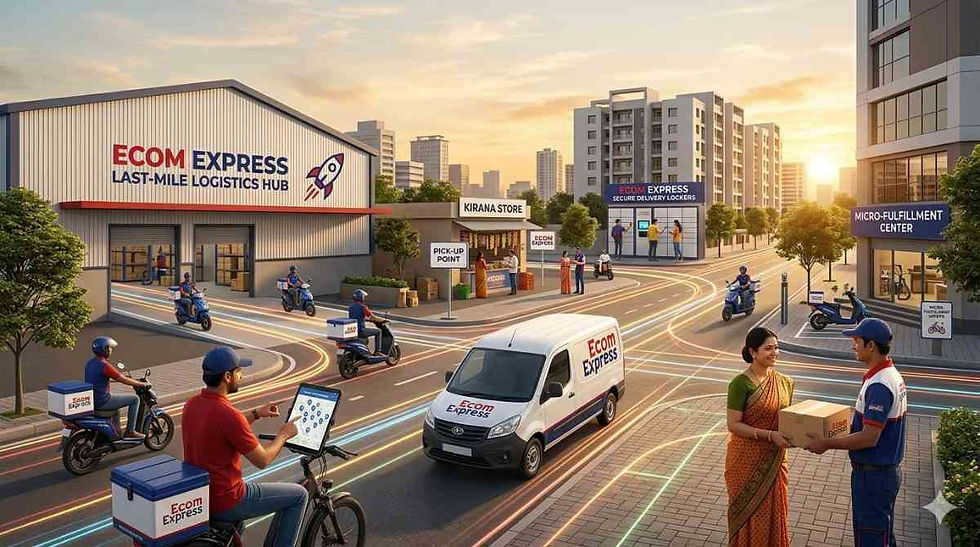
Logistics and Fulfillment
Flipkart's logistics subsidiary, Ekart, plays a central role in Big Billion Days execution. According to company statements in various years:
Temporary hiring of additional delivery personnel during the sale period
Extended warehousing capacity and pre-positioning of inventory in key markets
Partnerships with third-party logistics providers to handle volume surges
However, no verified information is publicly available on specific headcount increases, delivery time metrics, or fulfillment success rates during BBD periods.
Technology Infrastructure
Flipkart has periodically mentioned technology investments related to Big Billion Days, including:
Use of cloud computing infrastructure to handle traffic spikes
Machine learning algorithms for demand forecasting and personalization
App performance optimization and user experience improvements
Specific technical architectures, investment amounts, or performance metrics are not disclosed in public documentation.
Walmart Acquisition and Strategic Continuity
In May 2018, Walmart acquired approximately 77% of Flipkart for approximately $16 billion, according to official announcements by both companies and regulatory filings. This represented the largest e-commerce acquisition globally at that time.
According to Walmart's investor communications and earnings calls, the acquisition was strategically motivated by India's market potential and Flipkart's position as a market leader in Indian e-commerce. Walmart executives stated that the company viewed Flipkart as a key growth driver in the Indian retail market.
Post-acquisition, Big Billion Days continued as a flagship event, with Walmart's resources enabling:
Enhanced supply chain capabilities through Walmart's vendor relationships and procurement scale
Potential private label product integration
Increased financial resources for discounting and marketing
Walmart CEO Doug McMillon stated in earnings calls and media interviews that Flipkart's performance during Big Billion Days was a key indicator of the platform's strength and customer loyalty, though specific performance metrics linked to Walmart's ownership are not consistently disclosed in public investor materials.
Broader Industry Impact
Ecosystem Development
Big Billion Days contributed to the development of India's digital commerce ecosystem in several documented ways:
Logistics Network Expansion: The concentrated demand from sale events drove investment in last-mile delivery infrastructure, warehousing, and fulfillment capabilities across the industry. According to industry reports from consulting firms like RedSeer and Redseer Consulting (referenced in business news coverage), the festive season logistics demands accelerated infrastructure development.
Payment Digital Transformation: High transaction volumes during sale events contributed to stress-testing and scaling of digital payment infrastructure. The adoption of UPI (Unified Payments Interface) in subsequent years was supported by e-commerce transaction volumes during festive sales, as noted in NPCI (National Payments Corporation of India) public data showing transaction spikes during October festive periods.
Seller Ecosystem Growth: The Flipkart marketplace model enabled thousands of sellers to participate in Big Billion Days, creating revenue concentration opportunities for small and medium businesses. Flipkart has periodically released case studies highlighting seller success during BBD, though comprehensive data on seller economics is not publicly available.
Consumer Behavior Shifts: The recurring nature of Big Billion Days contributed to consumer expectation-setting around festive season discounts and deal-seeking behavior. According to consumer survey data from consulting firms cited in media coverage, Indian consumers increasingly delayed purchases to coincide with sale events.
Competitive Dynamics
The success of Big Billion Days forced competitive responses:
Amazon India's Great Indian Festival became a direct competitor event
Other platforms like Myntra (owned by Flipkart) and Snapdeal also created sale events
Even offline retailers began offering festive discounts to compete with online platforms
According to statements by executives from competing platforms in media interviews, the sale event calendar became a critical battleground for market share in Indian e-commerce.
Limitations of Available Information
The following aspects of Big Billion Days lack comprehensive publicly documented information:
Financial Performance: Specific profitability, loss margins, or unit economics during BBD are not disclosed. GMV figures released by Flipkart or industry estimates are not consistently broken down by platform.
Customer Acquisition Costs: No verified data exists on CAC, repeat purchase rates, customer lifetime value, or cohort retention specifically linked to BBD acquisitions.
Seller Economics: Commission structures, seller profitability, inventory financing, and seller-borne discount costs are not publicly documented.
Internal Operations: Team structures, decision-making processes, internal planning timelines, and specific role responsibilities are not comprehensively available in public sources.
Technology Metrics: Site uptime percentages, API performance, infrastructure costs, and specific technology investments are not disclosed.
Comparison Metrics: Direct performance comparisons with Amazon India's Great Indian Festival are difficult to verify as both companies do not consistently release comparative data.
Key Lessons
1. Platform Capability Must Match Ambition
The 2014 Big Billion Days failure was fundamentally an execution gap—Flipkart's infrastructure could not support the demand it successfully generated. This reinforced that in digital commerce, backend capability (technology, logistics, inventory management) must be built ahead of demand generation, not after. The lesson applies broadly to platform businesses: customer-facing promises require operational readiness.
2. Concentrated Demand Events as Strategic Accelerators
Big Billion Days demonstrated that time-bound sale events could compress years of e-commerce adoption into weeks. By creating urgency and value perception, Flipkart drove trial among consumers who might have otherwise remained offline shoppers for longer. This strategy has been replicated across industries (food delivery, travel, fintech) where platforms create "festival moments" to accelerate behavior change.
3. Crisis Management and Brand Resilience
Despite significant operational failures in 2014, Flipkart recovered and made Big Billion Days a successful recurring franchise. The public apology, followed by visible operational improvements in subsequent years, showed that acknowledging failure, learning systematically, and demonstrating progress can rebuild consumer trust. However, the window for recovery is narrow—persistent failures would likely have been terminal.
4. Ecosystem Dependencies in Platform Strategies
Flipkart's ability to execute Big Billion Days depended not only on its own capabilities but also on sellers, logistics partners, payment gateways, and internet infrastructure. The 2014 failures highlighted that platform strategies require ecosystem orchestration—managing multiple interdependent entities toward a common goal. This remains a core challenge for platform businesses.
5. Market Creation Through Proprietary Events
Big Billion Days created a new consumption moment in India's retail calendar. By establishing a recurring, anticipated event, Flipkart effectively built customer habit formation around a branded moment. This proprietary positioning is strategically valuable—it makes Flipkart central to the festive shopping season in consumer minds, even as competitors create similar events. The lesson: owning a calendar moment can become a durable competitive asset.
6. Post-Acquisition Strategic Continuity
Walmart's decision to maintain and invest in Big Billion Days post-acquisition shows strategic recognition of brand-building value beyond immediate returns. The event serves as both a revenue driver and a market-testing mechanism. This reflects a broader M&A principle: acquired assets' strategic franchises should be preserved when they serve long-term positioning goals, even if they require short-term investment.
Discussion Questions
1. Strategic Trade-offs in Platform Growth vs. Profitability
Flipkart's Big Billion Days involves substantial discounting, marketing spend, and operational costs to drive volume and market share. From a strategic perspective, how should platform businesses evaluate the trade-off between growth (measured in GMV, customer acquisition, and market share) versus profitability (measured in contribution margin and unit economics)? Under what conditions is prioritizing volume over immediate profitability justified, and how should leadership assess when to shift focus toward sustainable economics? Consider the role of competitive dynamics, capital availability, and market maturity in this decision.
2. Operational Preparedness and Risk Management in High-Velocity Events
The 2014 Big Billion Days operational failures expose the risks inherent in concentrated demand strategies. What frameworks should platform companies use to assess operational readiness before launching high-stakes, time-bound events? How should organizations balance the strategic imperative to move quickly (first-mover advantage in creating sale events) with the operational imperative to ensure capability? Discuss the role of scenario planning, stress testing, and phased rollout strategies in mitigating execution risk while maintaining competitive momentum.
3. Ecosystem Orchestration in Multi-Sided Platforms
Big Billion Days requires coordination across sellers, logistics providers, payment gateways, technology infrastructure, and customer service teams—many of which are external to Flipkart. How should platform companies design governance structures, incentive alignment mechanisms, and penalty systems to orchestrate complex ecosystems toward common goals? What are the limits of control in marketplace models, and how should platforms balance seller autonomy with quality assurance and customer experience consistency?
4. Long-Term Brand Building Through Short-Term Events
While Big Billion Days is a time-bound sale event, it has evolved into a brand property that builds year-round anticipation and positions Flipkart within India's festive shopping culture. How should marketers and strategists think about the relationship between tactical promotions (discounts, deals, time-limited offers) and long-term brand equity? Can discount-driven events coexist with premium brand positioning, or do they inherently condition consumers toward price sensitivity? Evaluate the strategic sustainability of deal-focused customer acquisition.
5. Competitive Dynamics and Strategic Differentiation in Parity Events
Amazon India's Great Indian Festival essentially replicates Big Billion Days' format, timing, and promotional strategy, creating a market where multiple platforms offer similar sale events simultaneously. In such conditions of strategic parity, what are the viable sources of competitive differentiation? Should platforms focus on operational excellence (faster delivery, better service), exclusive product partnerships, superior user experience, or alternative value propositions beyond price? Discuss whether sale events ultimately become margin-eroding commodities that benefit consumers but pressure platform economics without creating sustainable competitive advantage.


Comments