How Zudio Turned a Star Bazaar Apparel Counter Into India's Rs 7,000 Crore Fast-Fashion Phenomenon With 806 Stores—All Priced Under Rs 999
- Apr 13
- 5 min read
In 1998, when Simone Tata sold Lakmé to Hindustan Unilever for Rs 200 crore and used the proceeds to establish Trent Limited, the Tata Group was making a strategic pivot: from cosmetics to retail.
They opened their first store by acquiring Littlewoods' only Indian outlet in Bangalore and renaming it Westside—a premium lifestyle brand targeting India's middle and upper-middle classes. For sixteen years, Trent operated primarily Westside stores, cautiously adding only about 7 stores annually, focusing on quality over rapid expansion.
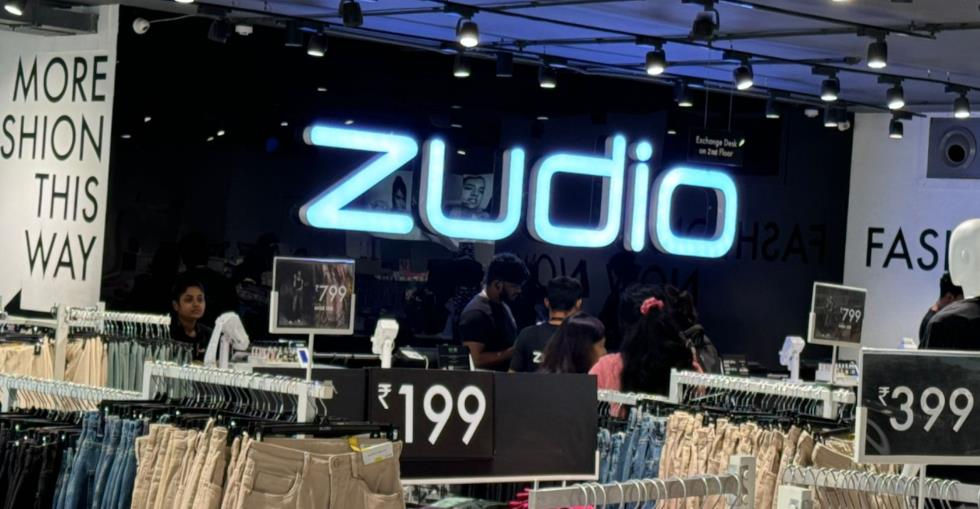
But by the mid-2010s, Trent's leadership recognized something profound: Westside served India's affluent consumers beautifully, but left a massive market untapped—the millions of budget-conscious youth who wanted to stay trendy without emptying their wallets. India's fashion market was dominated by unorganized retailers at the bottom and international brands like Zara and H&M at the top. The middle—affordable yet fashionable—remained wide open.
Trent had an idea: leverage everything learned from Westside, combine it with insights from their Star Bazaar hypermarket operations where they'd been testing an apparel counter, and create a value-fashion brand that could democratize style for young India.
In 2016, they opened their first standalone Zudio store on Commercial Street, Bangalore—targeting the very market segment international fast-fashion giants couldn't profitably serve.
Today, nine years later, Zudio operates 806+ stores across 230+ cities (as of September 2024), generates Rs 7,000 crore annual revenue, contributes 95% of Trent's profits, has expanded internationally to Dubai with 3 stores, sells 90 T-shirts every minute and 20 pairs of jeans every hour, and maintains strict pricing: every single product under Rs 999—proving that sometimes the best opportunities hide in the markets everyone else ignores.
This is the story of how Tata turned a hypermarket apparel counter into India's fastest-growing fashion brand—and how refusing to sell online became a competitive advantage.
1998-2016: The Westside Foundation
Simone Tata—who had led Lakmé brilliantly—became Trent's first Chairperson. The company's name came from "Tata Retail Enterprise" (TRENT).
Westside became Trent's flagship, offering premium fashion and lifestyle products. But Trent expanded cautiously, adding Star Bazaar hypermarkets in 2004, acquiring Landmark Bookstores in 2005-2008, partnering with Benetton for Sisley in 2007, and most importantly, forming a joint venture with Inditex to operate Zara (2009) and later Massimo Dutti.
The Zara partnership was transformative—not just commercially, but educationally. Trent learned Zara's fast-fashion model: rapid design-to-store cycles, trend responsiveness, inventory agility, and volume-driven profitability.
Meanwhile, within Star Bazaar hypermarkets, Trent tested a small apparel counter selling affordable clothing. The response was encouraging. Customers shopping for groceries were buying trendy clothes priced reasonably. The concept had potential.
2016: The Bangalore Launch
In 2016, Trent opened Zudio's first standalone store on Commercial Street, Bangalore. The brand name didn't reference anything specifically—it was simply modern, youthful, and memorable.
The positioning was revolutionary: India's first value-fashion brand offering 100% private label products priced under Rs 999. Every single item—from T-shirts to jeans to accessories—stayed below Rs 999, making fashion genuinely accessible to India's vast middle class.
The target audience was clear: ages 15-45, budget-conscious but trend-aware, spanning men, women, and children across urban and semi-urban India—especially Tier 2, Tier 3, and Tier 4 cities representing 60% of India's fashion market that international brands couldn't profitably reach.
The business model combined several innovations:
100% Private Label: No third-party brands meant Zudio controlled design, production, pricing, and margins completely. Every rupee from sales went directly to Zudio without commissions.
15-Day Design-to-Store Cycle: Weekly product launches kept offerings fresh, mimicking Zara's agility but at dramatically lower price points.
FOCO Model (Franchise Owned, Company Operated): Franchisees invested Rs 75 lakh to Rs 1 crore owning space and managing daily operations (employees, rent) while Trent handled supply chain and overall operations. This accelerated expansion while maintaining quality control.
No Online Sales: Unlike competitors obsessed with e-commerce, Zudio stayed exclusively offline, avoiding return costs, delivery expenses, and supply chain complexity.
Minimal Advertising: Instead of expensive marketing, Zudio relied on word-of-mouth, satisfied customers, and local influencer reviews—redirecting saved costs into expansion.
High-Volume, Low-Margin: Rather than premium margins on fewer products, Zudio maximized volume, selling massive quantities at tight margins.
2016-2020: The Explosive Growth
Zudio's expansion was breathtaking. While Westside had grown cautiously at 7 stores annually for years, Zudio exploded—driven by discovering product-market fit in India's underserved fashion segment.
By 2020, Zudio had overtaken Westside as Trent's primary growth driver. The brand had proven something international retailers missed: India's masses wanted affordable fashion, and they'd flock to stores offering quality, trends, and accessibility together.
Even during COVID-19, when retail collapsed globally, Zudio's model proved resilient. The focus on essentials, affordable pricing, and offline-only operations meant lower operational complexity and faster recovery.
2020-Present: Market Domination
Post-COVID, Zudio's growth accelerated further:
FY24: Opened 200 new stores in a single year—extraordinary expansion velocity.
September 2024: Reached 806 stores across 230+ cities, compared to Westside's 261 stores.
2024: International expansion began with Dubai stores.
Product Diversification: Beyond apparel, added Zudio Beauty (affordable cosmetics), footwear, accessories, ethnic wear, and home furnishings. Beauty and accessories now contribute 20% of revenue.
Volume Metrics: 90 T-shirts sold every minute, 20 jeans every hour, 19 fragrances per hour, 17 lipsticks per hour—demonstrating massive turnover velocity.
Trent's Transformation: Zudio now contributes 95% of Trent's profits. In Q4 FY24, Trent reported Rs 301 crore profit quintupling year-over-year. Q1 FY25 net profit more than doubled to Rs 393 crore.
Stock Performance: Trent's market cap rose past Rs 2.6 lakh crore by October 2024, with stock up ~250% in one year—primarily Zudio-driven.
The Competitive Response
Zudio's success triggered industry-wide imitation:
Reliance: Launched Yousta
ABFRL: Launched Style-Up
Shoppers Stop: Launched InTune
Yet none replicated Zudio's velocity. Why? Zudio benefited from Trent's decades of retail experience, Tata's financial backing, Westside's operational learnings, and first-mover advantage in organized value fashion.
The Current Empire (2025)
Founded: 2016 (9 years); tested in Star Bazaar pre-2016
Owner: Trent Limited (Tata Group); portmanteau "Tata Retail Enterprise"
Chairman: Noel Tata (Naval Tata's son, Ratan Tata's half-brother; Trent Chairman since 1999)
CEO: Philip Auld (Trent CEO & Managing Director)
Stores: 806+ (September 2024) across 230+ cities; 3 Dubai stores
Revenue: Rs 7,000 crore annually
Profit Contribution: 95% of Trent's profits
Pricing: Every product under Rs 999
Products: Apparel (men/women/children), ethnic wear, beauty, footwear, accessories, home furnishings
Store Size: 650-1,000+ square meters
Investment: Rs 3-4 crore per new store
Market Forecast: India value-fashion segment from $111 billion (FY23) to $170 billion (2026)
The Legacy
From Star Bazaar apparel counter to 806 stores in 9 years—from zero to Rs 7,000 crore revenue—from Bangalore pilot to international expansion—Zudio's journey teaches timeless truths.
First, serving ignored markets creates category leadership. International brands couldn't profitably serve India's budget-conscious masses. Zudio built an empire there.
Second, learning compounds across brands. Sixteen years of Westside learnings plus Zara partnership insights accelerated Zudio's execution.
Third, constraints drive differentiation. Refusing online sales (when everyone prioritized e-commerce) avoided return costs and complexity while forcing focus on stellar in-store experiences.
Fourth, pricing discipline builds trust. "Everything under Rs 999" wasn't marketing—it was a promise that democratized fashion for millions.
Finally, volume beats margin at scale. Selling 90 T-shirts per minute at tight margins generates more profit than selling few items at premium prices.
When young Indians walk into Zudio stores across 230+ cities, they're experiencing the Tata Group's belief that fashion shouldn't be a luxury—and that sometimes the best businesses serve the customers everyone else ignores.
That's Zudio. That's nine years of proving that affordable doesn't mean unfashionable—one Rs 999 product, one satisfied customer, one new store at a time.


Comments