Tanishq's Storytelling Approach in Modern Indian Jewelry Advertising
Executive Summary
Tanishq, the jewelry retail brand of Titan Company Limited (a Tata Group company), transformed Indian jewelry advertising through a storytelling approach emphasizing emotional narratives, contemporary life situations, and progressive social values rather than traditional product-focused messaging. Launched in 1994, Tanishq positioned itself as a modern, organized jewelry retailer offering hallmarked gold jewelry, transparent pricing, and standardized quality in a market dominated by unorganized family jewelers. The brand's advertising strategy, developed primarily with creative agency Lowe Lintas (now Mullen Lowe Lintas), centered on narrative-driven campaigns addressing evolving Indian women's aspirations, changing family structures, and cultural transitions. This case study examines Tanishq's storytelling advertising approach based on publicly documented campaigns, creative principles discussed in published sources, and the strategic rationale underlying this narrative-focused brand communication strategy.
Company and Brand Background
Titan Company Limited, originally Titan Watches Limited, was established in 1984 as a joint venture between the Tata Group and the Tamil Nadu Industrial Development Corporation. The company diversified into jewelry retail with the launch of Tanishq in 1994, entering India's highly fragmented jewelry market dominated by local family-owned jewelers operating on traditional practices.
According to Titan Company annual reports and business publications, Tanishq was conceived as an organized retail concept offering hallmarked jewelry with quality assurance, transparent pricing, contemporary designs, and professional retail experience. This positioning differentiated Tanishq from traditional jewelers where pricing lacked transparency, quality certification was inconsistent, and shopping experience varied significantly across establishments.
The brand name "Tanishq" combined "Tan" (body) and "nishq" (ornament) from Sanskrit, according to brand origin documentation published in marketing case studies. Tanishq initially struggled with market acceptance as Indian consumers preferred traditional jewelers with family relationships and trusted craftsmanship, according to business case studies documenting the brand's early challenges published by business schools including IIM Ahmedabad.
By the 2020s, Tanishq had grown to over 380 stores across India, becoming one of the country's largest organized jewelry retail chains, according to Titan Company annual reports. The brand expanded its portfolio to include multiple sub-brands and collections addressing different consumer segments, price points, and occasions.
Advertising Partnership with Lowe Lintas
Tanishq's advertising has been created primarily by Lowe Lintas (formerly Lintas, later Lowe Lintas, now Mullen Lowe Lintas Group) since the brand's inception in 1994, representing one of Indian advertising's enduring client-agency partnerships. According to advertising industry publications and published interviews with agency leadership, the partnership established Tanishq's distinctive narrative advertising approach.
Balki (R. Balakrishnan), who led the Lowe Lintas creative team on Tanishq before later founding his own agency, and subsequent creative leadership at Lowe Lintas developed Tanishq's storytelling advertising philosophy. Their creative approach has been documented extensively in advertising case studies, industry award presentations, and published interviews in marketing and advertising publications.
The agency-client relationship enabled creative experimentation and long-form storytelling unusual in traditional jewelry advertising, which typically emphasized product shots, gold purity claims, or celebrity endorsements, according to advertising strategy analyses published in industry journals.
Storytelling Approach and Creative Philosophy
Shift from Product to Narrative
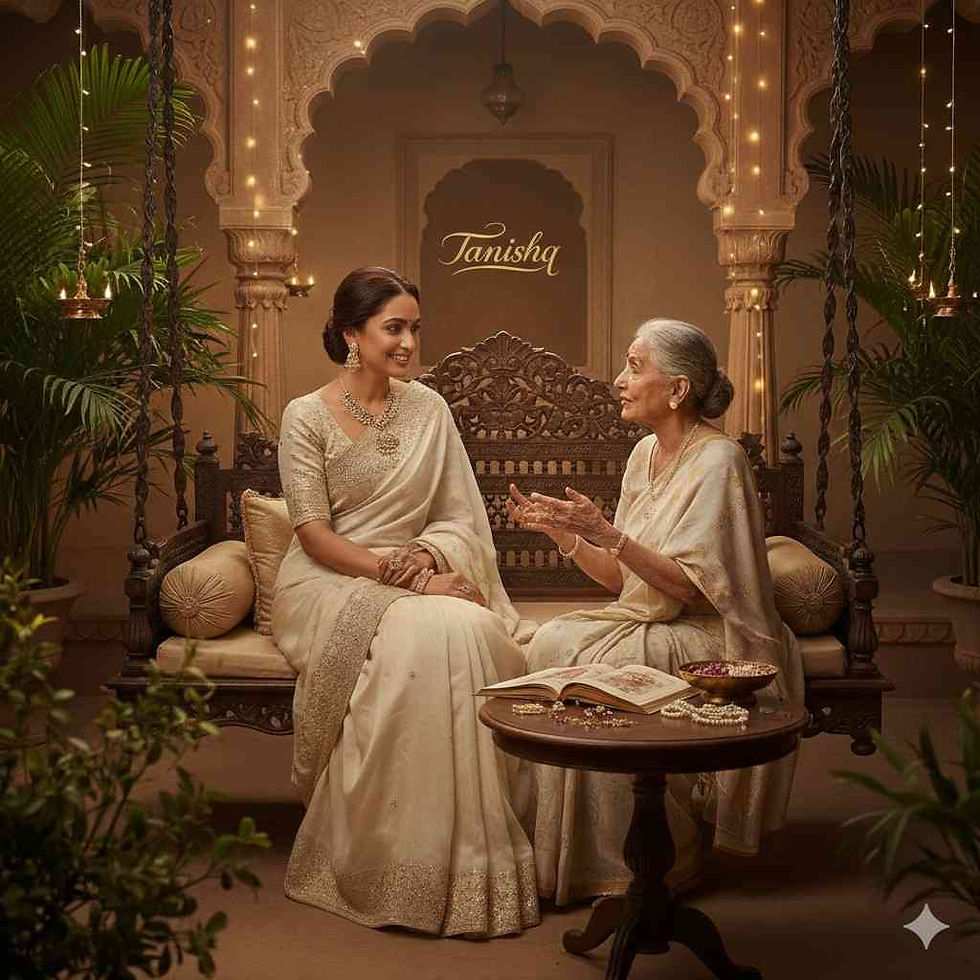
Tanishq's advertising strategy departed from conventional jewelry advertising's focus on product display, gold weight, or craftsmanship details, instead centering campaigns on emotional stories featuring jewelry as element within larger life narratives. According to published statements by Tanishq marketing leadership in business media and advertising publications, this approach reflected belief that jewelry purchases are emotionally driven decisions connected to life moments, relationships, and personal identity rather than purely transactional product purchases.
The narrative approach positioned jewelry not as commodity or investment but as meaningful symbol within personal and family stories. Advertisements depicted weddings, festivals, career achievements, family relationships, and life transitions where jewelry marked emotional significance, according to campaign documentation in advertising case studies.
This strategy required longer advertisement formats enabling story development, with Tanishq utilizing 60-90 second television commercials and multi-film campaign series to tell complete narratives, contrasting with typical 30-second product-focused jewelry advertisements, according to media strategy discussions published in advertising publications.
Focus on Contemporary Indian Women
A consistent theme in Tanishq advertising has been portrayal of modern Indian women navigating traditional cultural contexts while asserting contemporary identities and choices. According to advertising analyses published in gender and media studies journals, Tanishq campaigns featured working women, independent decision-makers, and women in non-traditional family situations, reflecting evolving social realities in urban India.
Campaigns depicted women as active protagonists making jewelry choices for themselves rather than passive recipients of family gifts, challenging traditional advertising portrayals of women in Indian jewelry category. This positioning aligned with Tanishq's target audience of educated, urban, financially independent women who represented growing customer segment for organized jewelry retail, according to consumer segmentation analyses in marketing publications.
The brand's creative approach acknowledged changing gender dynamics, delayed marriages, career prioritization, and evolving definitions of femininity in contemporary India, making advertising culturally relevant to target consumers while differentiating from traditional jewelers' conservative advertising, according to cultural marketing analyses published in academic journals.
Notable Campaigns and Creative Executions
Early Brand Building: "Kal Se" Campaign (1996)
One of Tanishq's early campaigns featured the tagline "Kal se ek aur Tanishq khareedne wali hoon" (From tomorrow, I'm buying another Tanishq), depicting a bride on her wedding night looking at her jewelry. According to advertising case studies documenting this campaign, the narrative showed a woman appreciating her wedding jewelry and planning her next purchase independently, subtly communicating that Tanishq was jewelry for life stages beyond just weddings.
This campaign established storytelling approach and contemporary woman positioning that became Tanishq's advertising signature, according to advertising industry retrospectives published in marketing journals.
"Second Marriage" Campaign (2013)
A campaign depicted a mature bride getting ready for her second marriage with her daughter helping her wear jewelry, acknowledging remarriage as valid life choice. According to media coverage of this campaign in advertising and mainstream publications, the narrative represented progressive social messaging unusual in Indian advertising, particularly in culturally conservative jewelry category.
The campaign generated both appreciation for addressing social stigma around remarriage and some controversy from conservative audiences, according to media monitoring reports published in news outlets. Tanishq's willingness to address evolving social realities despite potential controversy demonstrated brand commitment to contemporary positioning, according to advertising strategy analyses.
"Remarriage for Widow" Campaign (2020)
Another campaign featured a widow remarrying, with her young son participating in the ceremony and bringing jewelry for his mother. According to extensive media coverage in national newspapers and advertising publications, the campaign addressed widow remarriage, a subject carrying social stigma in traditional Indian contexts.
The narrative showed the child's acceptance and support of his mother's remarriage, using jewelry as symbol of new beginnings rather than only traditional associations. Media coverage noted the campaign's social progressiveness while also documenting some negative responses from conservative audience segments on social media, according to published reports in mainstream media.
"Ekatvam" Campaign Withdrawal (2020)
In October 2020, Tanishq launched a campaign depicting an interfaith family (Hindu daughter-in-law in Muslim household) celebrating a baby shower with culturally blended traditions. According to extensive coverage in national and international media including BBC, Reuters, The Hindu, and Indian Express, the campaign faced significant social media backlash and boycott threats from Hindu nationalist groups who criticized the advertisement for promoting "love jihad" (a derogatory term used by some groups to describe interfaith marriages between Hindu women and Muslim men).
Following the controversy and reported threats to store employees, Tanishq withdrew the advertisement within days of release, according to official statements reported in multiple media outlets. The company stated in official communications that the decision to withdraw was made following concerns about employee safety at retail locations, according to press reports.
The episode generated substantial public discourse about advertising's role in social messaging, corporate responses to social media outrage, and religious polarization in India, with coverage in international media including New York Times, Washington Post, and Guardian, according to published reports. The incident highlighted tensions between progressive brand positioning and polarized social-political contexts, according to subsequent analyses in marketing and social commentary publications.
"Remarriage After Divorce" Campaign (2021)
Following the Ekatvam controversy, Tanishq continued narrative advertising with a 2021 campaign depicting a pregnant bride from a previous marriage getting married again, with her pregnancy visible and acknowledged in the narrative. According to advertising industry coverage, the campaign addressed divorce and remarriage with pregnancy from previous relationship, themes rarely depicted in mainstream Indian advertising.
The campaign demonstrated Tanishq's continued commitment to contemporary social narratives despite previous controversy, though this campaign generated less public controversy than the interfaith campaign, according to media monitoring reports.
"Remarriage for Divorcee" and Other Progressive Narratives
Multiple Tanishq campaigns have addressed non-traditional family structures, women's career choices, inter-generational relationships, and evolving cultural practices. According to advertising case documentation and industry award submissions, recurring themes included:
Women buying jewelry for themselves rather than receiving as gifts, challenging traditional passive recipient portrayal; parent-child role reversals showing children supporting parents' life choices; blended families and non-nuclear family structures; career milestones and professional achievements as jewelry purchase occasions; and generational cultural transitions showing traditional and modern values coexisting.
These narrative themes positioned Tanishq as brand understanding contemporary Indian life complexity and celebrating diverse life journeys, according to brand positioning analyses published in marketing journals.
Strategic Rationale for Storytelling Approach
Emotional Differentiation in Commodity Category
Jewelry, particularly gold jewelry in Indian context, represents relatively commoditized product where differentiation on physical product attributes is challenging. According to retail strategy analyses published in business journals, Tanishq's storytelling approach created emotional differentiation transcending product parity, building brand associations with progressive values, life celebrations, and emotional significance beyond gold weight or craftsmanship.
The narrative advertising positioned Tanishq not merely as jewelry retailer but as brand understanding and celebrating contemporary Indian women's lives, creating emotional connection and brand preference in category where functional differences were limited, according to brand strategy discussions in marketing publications.
Building Trust in Organized Retail
Tanishq entered market dominated by family jewelers with long-standing customer relationships and trusted reputations built over generations. According to business case studies examining Tanishq's market entry strategy, the brand needed to establish credibility and trust with consumers accustomed to personal relationships with traditional jewelers.
Storytelling advertising's authentic emotional narratives and cultural sensitivity helped build brand warmth and relatability, complementing Tanishq's functional trust-building through hallmarked jewelry and transparent pricing. The campaigns' genuine portrayals of Indian life situations created perception of brand understanding customers deeply, facilitating emotional trust alongside functional reliability, according to consumer research published in marketing journals.
Appealing to Aspirational Consumers
Tanishq targeted educated, urban, financially independent women representing aspirational consumer segment with different values and preferences than traditional jewelry customers. According to consumer segmentation research published in business media, this segment valued contemporary designs, quality assurance, transparent pricing, and brand values alignment more than traditional considerations of family jeweler relationships or maximum gold content.
The progressive social narratives in advertising resonated with this audience's values and self-perception, making Tanishq culturally relevant and aspirational brand for modern Indian women, according to brand perception studies discussed in marketing publications.
Media Strategy and Campaign Distribution
Tanishq's storytelling campaigns primarily utilized television advertising for narrative development, with 60-90 second commercials allowing complete story arcs. According to media planning discussions in advertising publications, television provided mass reach and audio-visual storytelling capability essential for emotional narrative impact.
The brand also utilized print advertising, though print typically featured more product-focused messaging showcasing collections and designs rather than narrative storytelling, according to media mix analyses. Digital platforms including YouTube, social media, and brand website became important distribution channels particularly from 2010s onward, with campaigns gaining extended reach through social sharing and media coverage of controversial narratives, according to digital strategy discussions.
No verified public information is available on specific media budgets, reach and frequency objectives, channel allocation strategies, or viewership metrics for individual campaigns.
Tanishq's Sub-Brands and Segmentation Strategy
Tanishq developed multiple sub-brands addressing different consumer segments, price points, and occasions, with each maintaining distinct positioning and advertising approach. According to Titan Company annual reports and brand portfolio documentation:
Mia by Tanishq targeted younger women with contemporary lightweight daily-wear jewelry at accessible price points, with advertising emphasizing fashion and self-expression, according to brand launch communications.
Zoya positioned as luxury jewelry brand featuring precious gemstones and diamonds with high-end pricing, advertising focused on exclusivity and craftsmanship, according to brand positioning materials.
Rivaah addressed wedding jewelry segment with collections across regional cultural traditions, advertising highlighted regional wedding rituals and traditions, according to brand campaign documentation.
This portfolio strategy allowed Tanishq to address multiple segments while maintaining differentiated positioning and creative approaches for each sub-brand, according to portfolio management analyses in marketing publications.
Competitive Context
Tanishq competed against both traditional unorganized jewelry retailers and organized retail competitors including Kalyan Jewellers, Joyalukkas, PC Jeweller, and regional chains. According to market analyses published in business media, traditional jewelers dominated market share but organized retail gained share through the 2000s and 2010s as consumers valued standardization, transparency, and modern retail experience.
Competitors' advertising typically emphasized product attributes (gold purity, diamond quality, craftsmanship), celebrity endorsements, or traditional family values, according to competitive advertising analyses. Tanishq's storytelling approach and progressive social messaging differentiated the brand in competitive landscape, though some organized competitors including Kalyan Jewellers also adopted narrative advertising approaches in subsequent years, according to advertising trend analyses.
Awards and Industry Recognition
Tanishq's advertising campaigns have received extensive recognition in Indian and international advertising award competitions. According to advertising award records and industry publications:
Tanishq campaigns won multiple awards at Cannes Lions International Festival of Creativity, including Gold and Silver Lions in Film categories, according to Cannes Lions archive records. The brand received numerous awards at Abbys (India's premier advertising awards), One Show, D&AD, and other international advertising competitions across multiple years, according to published award records.
Industry publications and advertising education materials frequently cite Tanishq campaigns as examples of effective storytelling and culturally relevant advertising in Indian context, according to advertising textbooks and case study collections.
Challenges and Criticisms
Social Media Backlash and Polarization
The Ekatvam campaign withdrawal highlighted vulnerability of progressive brand messaging in polarized social-political contexts. According to media analyses and social commentary published following the incident, the episode raised questions about corporate courage in facing organized social media campaigns, limits of progressive advertising in conservative markets, and brand responsibility for employee safety versus commitment to values.
Some commentators criticized Tanishq's decision to withdraw the campaign as capitulation to intolerance, while others defended the decision as necessary response to genuine safety threats, according to published opinion pieces and editorials in major publications including Indian Express, The Hindu, and Wire.
Authenticity Concerns
Some critics questioned whether progressive social narratives represented genuine brand values or opportunistic alignment with liberal urban consumers for commercial benefit, according to advertising criticism published in cultural commentary publications. The contrast between progressive advertising and potential workplace practices or supply chain labor conditions raised authenticity questions, though no verified investigations of such contradictions appear in credible public sources.
Limited Impact on Traditional Segments
Tanishq's contemporary positioning and progressive narratives may have limited appeal in smaller towns and traditional consumer segments where conservative values and traditional jeweler preferences remain strong, according to market segmentation analyses. The brand's advertising strategy prioritized urban aspirational segments potentially at expense of broader market appeal, according to positioning trade-off discussions in marketing publications.
No verified public information is available on campaign effectiveness metrics, awareness or attitude changes, sales impacts, or market share effects attributable to specific advertising campaigns.
Strategic Implications and Marketing Lessons
Tanishq's storytelling advertising approach demonstrates several strategic principles:
Emotional Positioning in Commodity Categories: The narrative strategy created differentiation through emotional associations and values alignment rather than product attributes in category where functional differentiation was limited, demonstrating how storytelling can build brand equity in commoditized markets.
Cultural Relevance and Risk: Progressive social narratives built contemporary relevance with target audiences but created controversy risks in polarized contexts, illustrating tensions between authentic cultural engagement and commercial safety in diverse, evolving markets.
Long-Form Content Value: Tanishq's 60-90 second television commercials and multi-film campaign series demonstrated effectiveness of longer storytelling formats in building emotional connections, challenging assumptions that shorter content is always superior in fragmented media environment.
Consistency in Creative Approach: Sustained commitment to narrative advertising across decades built distinctive brand signature and cumulative creative equity, similar to Fevicol's visual storytelling consistency, demonstrating value of creative persistence.
Women as Active Protagonists: Portraying women as decision-makers and protagonists rather than passive subjects differentiated Tanishq in category with traditional gender portrayals, aligning brand with evolving gender dynamics in target segments.
Conclusion
Based on publicly available information, Tanishq's storytelling advertising approach represents distinctive example of emotional narrative branding in Indian jewelry retail. The strategy's focus on contemporary social situations, progressive values, and women's evolving roles differentiated the brand from traditional product-focused jewelry advertising while building emotional connections with target audiences.
The partnership with Lowe Lintas enabled creative consistency and narrative sophistication unusual in jewelry advertising, establishing Tanishq as brand understanding and celebrating modern Indian life complexity. However, the Ekatvam controversy illustrated tensions between progressive brand positioning and polarized social contexts, highlighting risks of values-based advertising in divided markets.
Tanishq's case demonstrates that even in traditional product categories, storytelling and cultural engagement can create meaningful brand differentiation when aligned with authentic consumer insights and evolving social dynamics. The approach's effectiveness across decades validates narrative advertising's power in building emotional brand equity, though comprehensive effectiveness data remains unpublished in credible public sources.
For marketing strategists, Tanishq exemplifies emotional branding in commodity categories, values-based positioning opportunities and risks, storytelling as differentiation mechanism, and importance of cultural authenticity in advertising effectiveness.
Discussion Questions for MBA Analysis
Progressive Values vs. Market Risk: Evaluate Tanishq's strategy of incorporating progressive social messages (remarriage, divorce, interfaith families) in advertising despite controversy risks. When should brands take positions on evolving social values, and how should companies balance authentic positioning with commercial risks and employee safety? What frameworks should guide decisions about values-based advertising in polarized contexts?
Storytelling ROI and Measurement: Analyze the challenge of measuring effectiveness of emotional storytelling advertising compared to product-focused or promotional campaigns. What metrics should companies use to evaluate narrative advertising's contribution to brand equity, consideration, and sales? How can marketers justify longer-form storytelling formats and patient brand-building approaches when facing short-term performance pressures?
Target Audience Prioritization Trade-offs: Assess Tanishq's focus on urban, educated, progressive consumers through advertising while potentially alienating traditional or conservative segments. How should brands balance between depth of connection with priority segments and breadth of market appeal? Under what conditions is niche positioning with strong resonance superior to broader positioning with weaker emotional connection?
Authenticity in Purpose-Driven Advertising: Examine whether Tanishq's progressive social narratives represent genuine organizational values or strategic positioning to appeal to liberal consumers. How can consumers and stakeholders evaluate authenticity of values-based advertising? What organizational practices or commitments should accompany progressive advertising to maintain credibility?
Creative Consistency vs. Cultural Sensitivity: Evaluate Tanishq's continued narrative advertising approach following the Ekatvam controversy. Should the brand modify its storytelling strategy to avoid future controversies, or maintain creative approach despite risks? How should companies balance commitment to creative vision and brand positioning with responsiveness to market feedback and social-political realities? What principles should guide post-controversy strategic decisions?


Tanishq's storytelling approach really highlights how jewelry is never just about the metal or stones. My own search for accessories that fit my daily life made me value brands that understand this emotional connection. That is why I appreciate birthstone rings for their ability to carry personal significance while staying practical.